
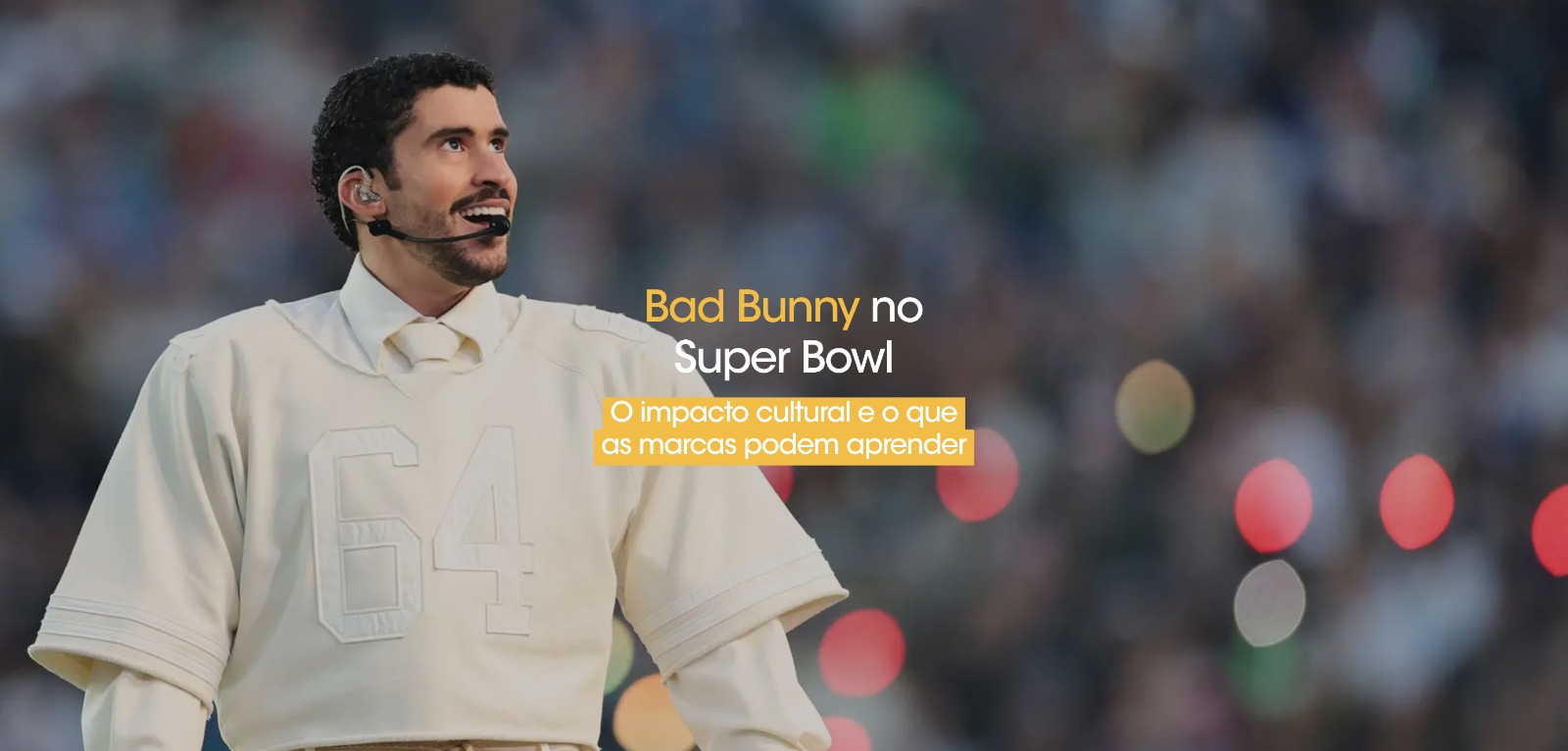
Yesterday, Super Bowl LX marked a historic moment not only in sport but also in global culture. At the heart of this story was Bad Bunny, the Puerto Rican artist who led the half-time show and transformed one of the world’s most-watched stages into a space for celebrating Latin culture, identity and authenticity.
An unprecedented cultural milestone
Bad Bunny wasn’t just another name on the Super Bowl line-up: he was the first artist in the event’s history to perform an entire set in Spanish. From the choice of set list to the stage design, featuring elements that paid homage to his Puerto Rican roots, the performance was more than just music: it was an act of cultural affirmation aimed at a global audience.
The performance also provoked strong reactions outside musical circles. Public figures critical of the artist, such as Donald Trump, described the show as “an affront to America’s greatness”, due to the fact that the performance was not in English and because of the artist’s political stance.
The value of authenticity in brand communication
For brands and communications professionals, Bad Bunny’s Super Bowl moment is a practical lesson in how cultural authenticity can translate into global impact. There are several strategic lessons to be learnt:
1. Cultural identity as a catalyst for connection
Bad Bunny brought his Latin identity to one of the most mainstream events on the planet. Rather than toning down that identity to appeal to a wider audience, he chose to celebrate it without compromise — and this struck a powerful chord with millions of viewers, particularly within the Latin community.
What can brands learn from this? It is not simply a matter of including superficial cultural elements, but of embracing authentic narratives that speak directly to the values and experiences of a specific audience.
2. Authenticity creates relevance
When communication is authentic, it fosters a sense of connection.
This means that campaigns based on genuine cultural and human values — rather than stereotypes or clichés — are more likely to make an impact.
3. Strategic partnerships broaden narratives
During the Super Bowl, we saw brands such as Duolingo capitalise on Bad Bunny’s presence to launch initiatives such as Bad Bunny 101, a themed Spanish language course linked to his show.
This type of activation goes beyond traditional advertising: it transforms a campaign into an inclusive cultural movement that combines education, entertainment and brand experience.
4. Authenticity also sells (and sets trends)
Bad Bunny’s presence spurred collaborations with brands such as Adidas and Zara, which were showcased on the Super Bowl stage in an organic and relevant way.
When a brand aligns itself with a cultural icon in a coherent way — rather than merely for commercial gain — the brand’s perceived value increases, as does its visibility in global markets.
The future of communication lies in culture
Bad Bunny’s performance at the Super Bowl was much more than just a musical spectacle: it was a cultural milestone that redefined the way in which major global events can celebrate diversity, identity and inclusion, without watering down their message to appeal to a general audience.
For brands and communications professionals, the key lesson is clear: cultural authenticity is not just a trend — it is a driving force behind meaning, relevance and lasting impact. When brands learn to communicate with people — and not just about They — are able to create narratives that not only capture people’s attention, but also foster loyalty and a genuine connection.